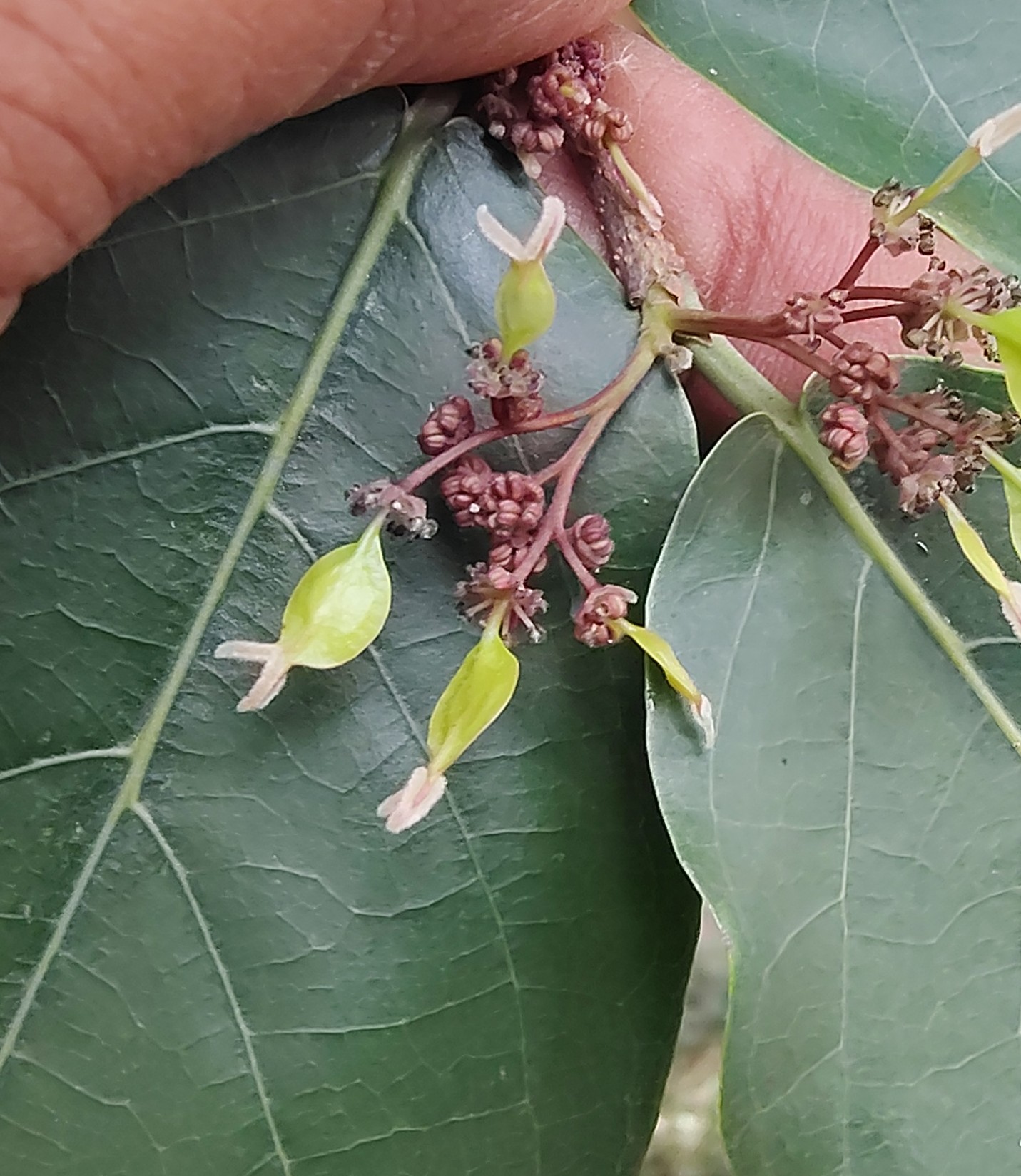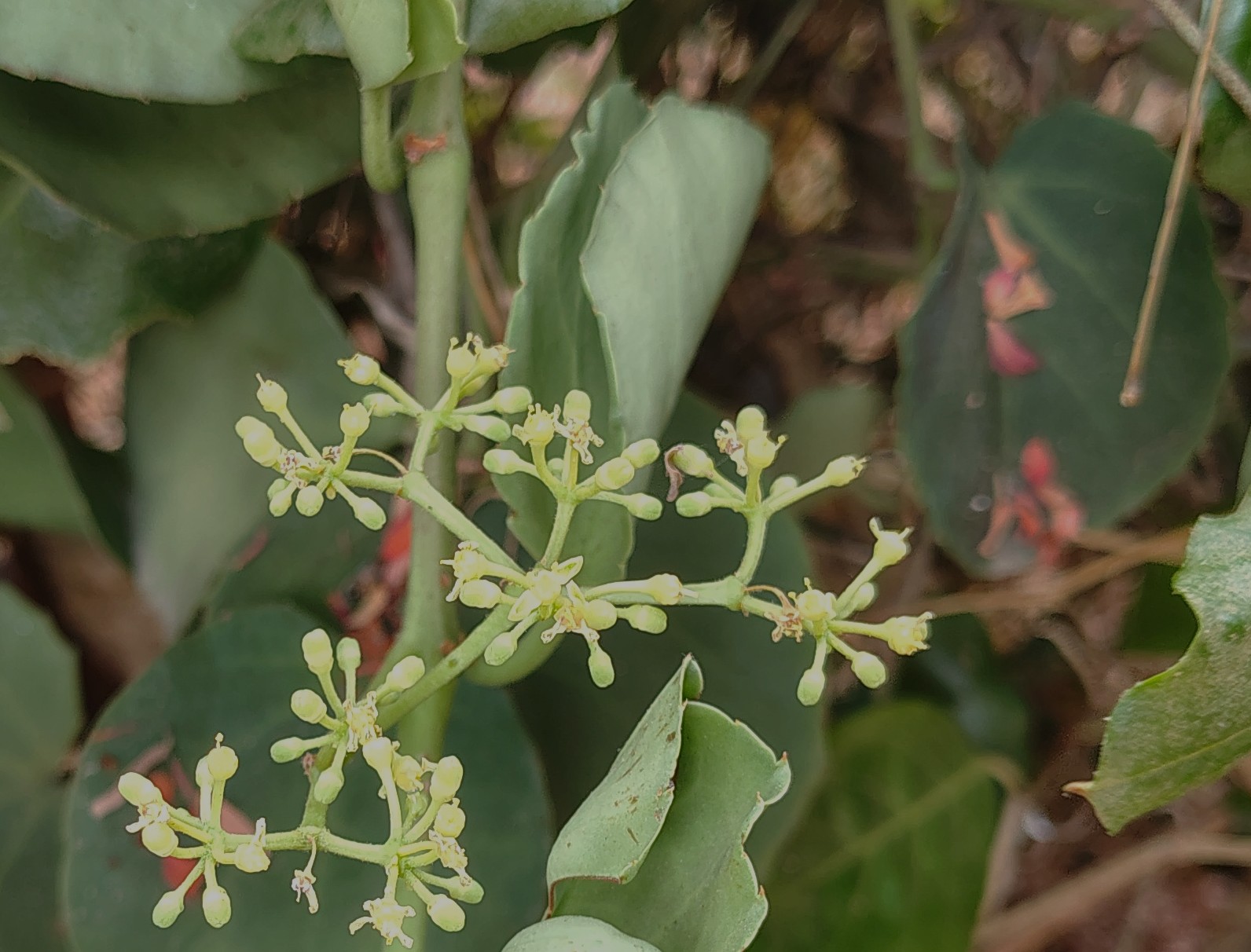
Climbing senecio, Nilgiri ragwort. Senecio genus (ragworts) belongs to the Asteraceae family and consists of more than 1200 species. . They come in various forms as herbs, climbers, shrubs and sometimes as succulent plants. Flowers are seen mostly in yellow color and produced in clusters. These plants produce Pyrrolizidine alkaloids chemicals. This chemical is poisonous … Read More “Senecio Scandens Family Asteraceae (Sunflower family)” »
Author: Rajesh Ramnarayan
Common Name: Indian strawberry, Potentilla (commonly called Cinqefoil and has around 500 species) genus is closely related to strawberry family namely Fragaria. Fragaria have white or pink flowers and fruits are edible. In Pontellia the fruits are generally considered edible and have yellow flowers. P inidca probably belongs to the larger Asian geographic region, and … Read More “Potentilla indica. Family Rosaceae (Rose family)” »
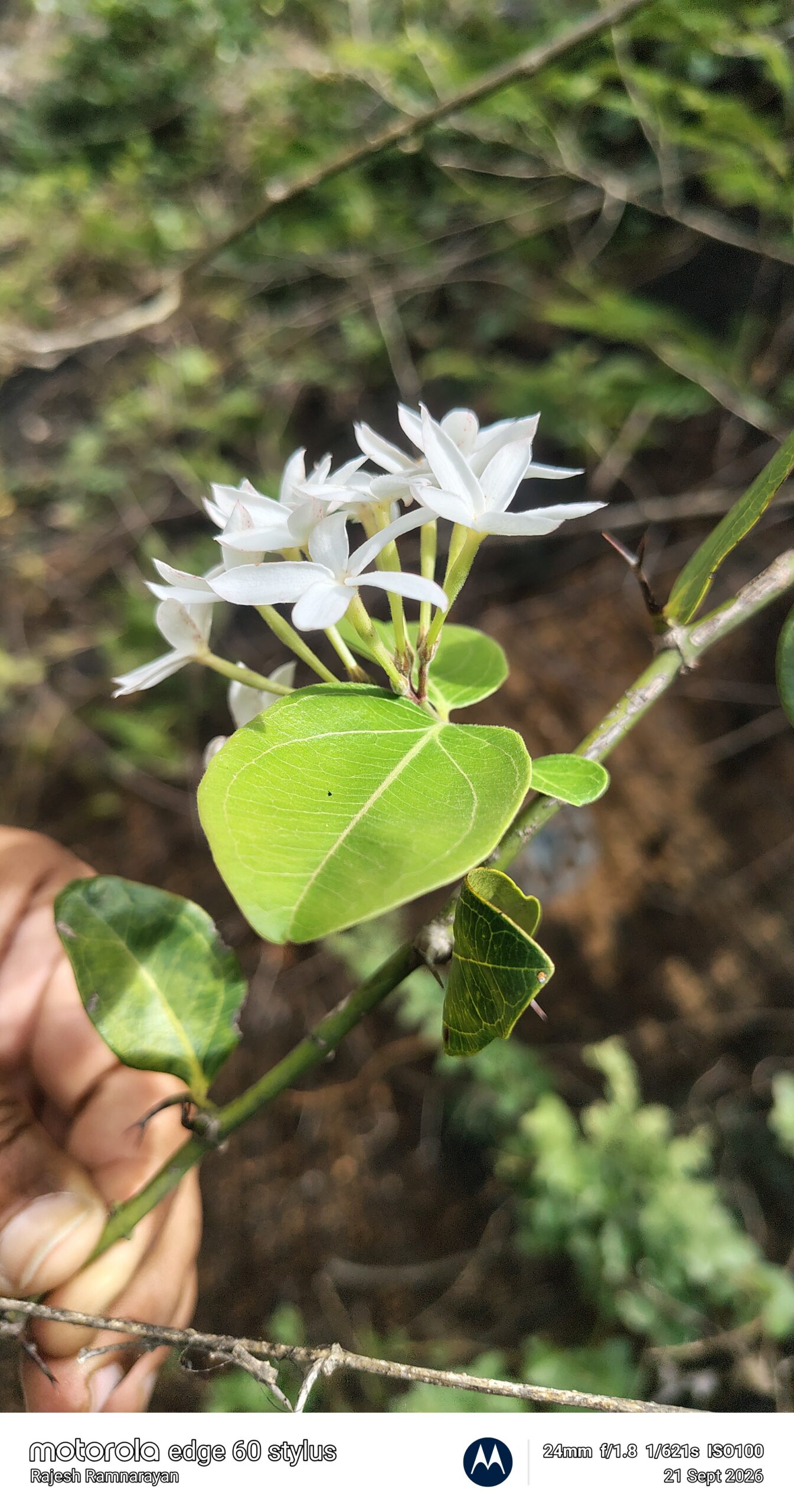
Common name: Bridal bouquet, Snow creeper. Tamil Name: Manimullai Poranopsis genus comes under family Convolvulaceae. They have simple glossy leafs and are large woody twinning plants. They are native to the Indian sub continent. P paniculata is an attractive large woody climber which can spread over 15 meters. They have heart shaped leaf base. The … Read More “Poranopsis paniculata Family Convolvulaceae (Morning glory family)” »
Common Name: Sikkim Knotweed Sikkim Knotweed is soft perineal under shrub that grows to around 2 feet in height. Often found in high elevation areas like Doddabedda and Ketti in Nilgiri district of Tamilnadu. Over the past 2 decades this plant has consolidated itself and threatens to become an invasive plant. The inflorescence is int … Read More “Koenigia mollis Family Polygonaceae (Knotweed family)” »
Common name: Bitter quassia, Bitter ash. The Quissia genus are under shrub plants found in South America. They have typically compound leaves and have bitter compounds like quassinoids. This plant is native to Brazil and is often sold as an ornamental cum medicinal plant in India. This shrub grows to around 3 feet in height. … Read More “Quassia amara L. Family Simaroubaceae” »