Common name: Japanese Mazus.
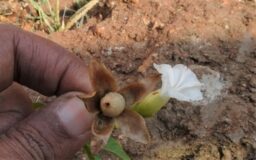
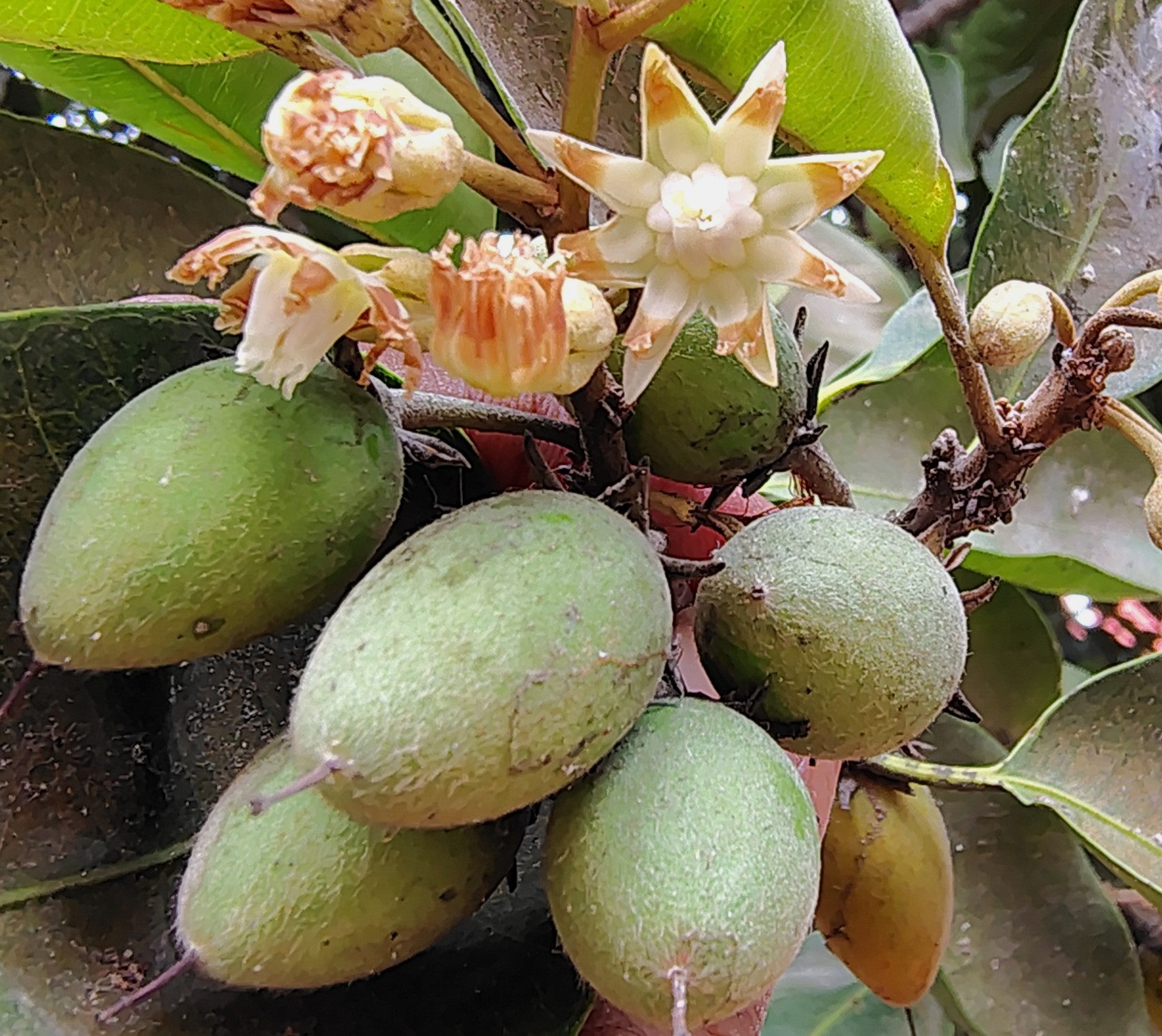
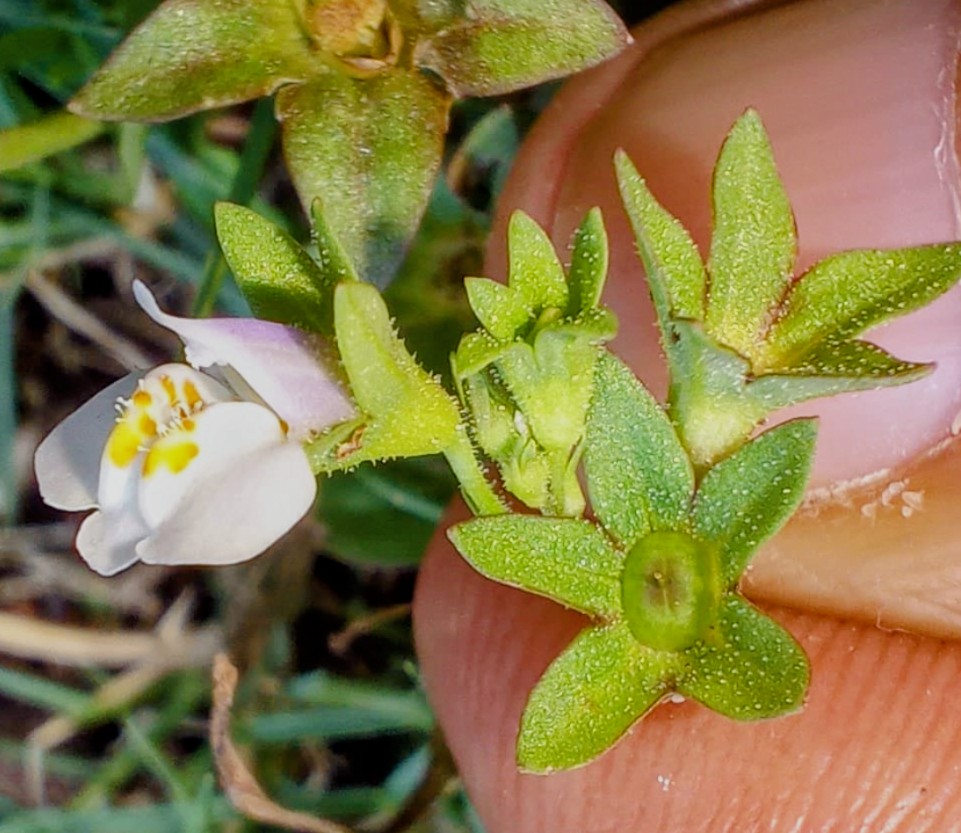
Japanese Mazus is an annual herb that prefers to grow in wet areas. It is a prostrate to near prostrate plant- they root an nodes to form a green ground cover. It is native to the South East Asia, often seen in India in wet-marshy habitats. The leafs are mostly basal they are spoon shaped with a shallow dentate margin. The flowers are bi-lipped, tubular, bilaterally symmetrical (can be cut into two equal parts only through one axis) and bisexual. The flower is bi-lipped, it is light blue-white in color with yellow spots at the center. The lower lip is 3 lobed with the yellow spots: lower lip has 2 elements. The calyx has five elements; after the fall of flower it is often seen in “star” shape. The fruit is in the form of a capsule guarded by persistent calyx elements. The plant may resemble Bonnaya antipoda at first site. However, in B antipoda the leafs are not basal, leafs shape is not spatulate. In the case of B antipoda the flower does not have yellow spots, it is the anther that is seen as yellow on the flower. In case of Japanese mazus the flower has yellow colored spots at the center of the flower. Mazaceae genus consists of around 44 species, mostly annual herbs they typically are prostrate to near prostrate plant forming green mats of the floor. They are mostly seen in South East Asia and Australia-preferred habitat being wet areas. The leafs are often seen in basal rosettes and have toothed margin and flowers are bi-lipped. Japanese Mazus flowers are beautiful and have ornamental potential.